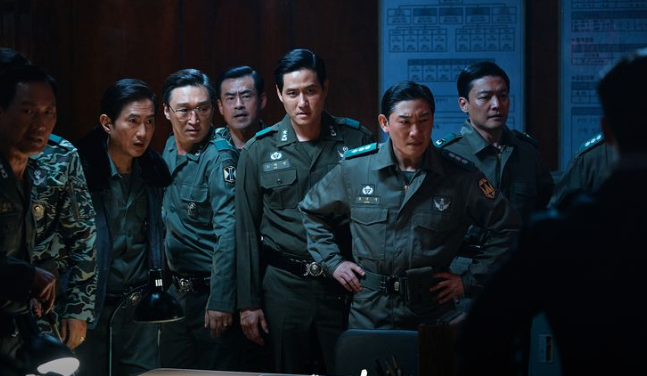
Understanding Seoul Spring: A Historical and Cultural Context
The term “Seoul Spring” often evokes a period of significant social, political, and cultural ferment in South Korea. While its precise definition can vary, it generally refers to the democratic uprising and subsequent crackdown that occurred in the late 1970s and early 1980s, particularly around the Gwangju Uprising. This era was characterized by a powerful yearning for democracy, human rights, and freedom of expression, following decades of authoritarian rule. Understanding this backdrop is crucial for any visual interpretation, as it provides “the why” behind the emotions, struggles, and resilience often depicted in photographs from that time. Photography during this period wasn’t merely documentation; it was a potent tool for activism, communication, and preserving the truth against official narratives. It captured the raw energy of protests, the quiet dignity of citizens, and the profound shifts occurring in Korean society, laying the groundwork for the democratic nation it is today.
The Significance of Visual Documentation
In times of rapid change and social upheaval, visual documentation through photography plays an unparalleled role. It offers immediate, visceral evidence of events, often bypassing language barriers and resonating deeply with viewers. For “Seoul Spring,” photographs served as critical historical records, eyewitness accounts, and powerful symbols of resistance. They provided a voice to the voiceless, bringing the realities of the streets into homes and international media, shaping public opinion and memory. The images captured during this period became iconic, etched into the collective consciousness of the nation, and continue to inspire new generations to reflect on freedom and justice.

The Art of Lens Language: Visual Storytelling in Street Photography
“Lens language” refers to the nuanced ways photographers use their camera and composition to communicate ideas, emotions, and narratives without relying on words. In street photography, this language is particularly potent, as it involves capturing unscripted moments that inherently tell a story about urban life, culture, and human interaction. It’s about seeing beyond the obvious, finding the extraordinary in the mundane, and framing a scene in a way that evokes a specific feeling or provokes thought. For interpreting “Seoul Spring,” lens language meant conveying the tension, hope, despair, and unity of a nation in flux. It involved choices in perspective, the use of light and shadow, the candid capture of gestures, and the deliberate inclusion or exclusion of elements to guide the viewer’s interpretation.
Key Elements of Effective Lens Language
- Composition: Utilizing the rule of thirds, leading lines, framing, and negative space to create visual interest and direct the viewer’s eye.
- Light and Shadow: Employing natural light to create mood, depth, and drama. Harsh shadows can convey severity, while soft light can suggest intimacy or hope.
- Moment: The decisive moment, capturing peak action or a fleeting expression that encapsulates the essence of a situation.
- Perspective: Shooting from high, low, or eye-level angles to alter the viewer’s relationship with the subject and scene.
- Color vs. Monochrome: Using color to highlight vibrancy or specific details, or monochrome to emphasize form, texture, and timelessness, often stripping away distractions to focus on emotion.

Techniques for Capturing Seoul’s Essence: Practical Approaches
Capturing the unique essence of a city like Seoul, especially during a culturally significant period like “Seoul Spring,” requires a blend of technical skill, keen observation, and empathy. The goal is not just to document what is seen, but to interpret and convey the underlying spirit and narrative. This involves specific photographic techniques tailored to the dynamic environment of street photography and cultural events.
Detailed Procedures with Tips and Common Pitfalls
- 1. Blending In and Observation
- Procedure: Dress inconspicuously, move slowly and deliberately, and spend time simply observing before raising your camera. Look for recurring patterns, interesting juxtapositions, and emotional expressions.
- Tips: Learn basic Korean phrases if possible to show respect. Use a smaller, less obtrusive camera if available.
- Pitfalls: Being too intrusive or obvious, which can make subjects uncomfortable or alter natural behavior. Missing genuine moments by being too focused on technical settings.
- 2. Mastering Candid Shots
- Procedure: Pre-focus your lens to a common street distance (e.g., 8-10 feet) or use zone focusing. Shoot from the hip occasionally. Anticipate moments rather than reacting to them.
- Tips: Use a wide-angle lens (28-50mm equivalent) for a natural field of view. Shoot in aperture priority mode to control depth of field, letting the camera manage shutter speed.
- Pitfalls: Taking blurry shots due to slow shutter speed in low light. Being perceived as a paparazzi, leading to hostile reactions.
- 3. Utilizing Urban Architecture and Light
- Procedure: Look for natural frames provided by buildings, doorways, or windows. Use reflections in glass. Pay attention to how light falls on subjects at different times of day, especially during golden hour or twilight.
- Tips: Backlight can create dramatic silhouettes. Side lighting can emphasize texture and form.
- Pitfalls: Overlooking interesting backgrounds or foregrounds. Relying too heavily on flash, which can flatten scenes and create harsh shadows.
- 4. Capturing Emotion and Human Connection
- Procedure: Focus on faces, hands, and body language. Look for interactions between people. Sometimes, a subtle gesture tells a more powerful story than a grand scene.
- Tips: Practice patience. The most compelling emotional moments often require waiting for the right confluence of events.
- Pitfalls: Invading personal space without permission. Misinterpreting cultural cues or expressions.
Ethical Considerations & Impact: Photography as a Social Mirror
Street photography, especially when documenting sensitive cultural or political moments like “Seoul Spring,” carries significant ethical responsibilities. As photographers, we are not just observers but also interpreters and storytellers, and our work can have a profound impact on how events are remembered and understood. The power of the lens demands a conscious approach to privacy, representation, and the potential consequences of our images.
Navigating the Ethical Landscape
- Privacy vs. Public Interest: While public spaces generally allow photography, respect for individual privacy is paramount. Consider if a photograph is truly necessary for the narrative and if it exploits or harms the subject.
- Authentic Representation: Strive to portray subjects and events authentically, avoiding stereotypes or sensationalism. Understand the cultural context to ensure your interpretation is respectful and accurate.
- Informed Consent (When Possible): For close-up portraits or potentially sensitive situations, seeking permission can build trust and ensure ethical practice, though candid street photography often precludes this.
- Image Manipulation: Be transparent about any significant alterations to images. In documentary contexts, excessive manipulation can undermine credibility.
- Safety and Responsibility: In volatile situations, prioritize your safety and the safety of your subjects. Understand that your presence and actions can influence events.
Photography from “Seoul Spring” serves as a powerful reminder of how visual media can act as a social mirror, reflecting both the beauty and brutality of human experience. These images not only documented history but also galvanized support, fostered empathy, and contributed to the collective memory of a nation’s struggle for freedom.
Pro Tips for Aspiring Street Photographers in Cultural Hubs
Venturing into street photography in a vibrant, culturally rich city like Seoul requires more than just technical skill; it demands cultural sensitivity, keen observation, and a willingness to immerse oneself in the environment. These expert tips will help you capture compelling narratives while respecting the local context.
Expert Advice
| Aspect | Pro Tip | Common Pitfall to Avoid |
|---|---|---|
| Cultural Sensitivity | Research local customs and social norms regarding photography. Learn basic greetings. | Being overtly intrusive or disrespectful of private moments/spaces. |
| Gear & Setup | Use a discreet, quiet camera (mirrorless often preferred). A prime lens (35mm or 50mm) encourages thoughtful composition. | Carrying too much gear, making you conspicuous and slow. |
| Patience & Observation | Spend significant time simply observing before shooting. Look for recurring themes, gestures, and light. | Rushing through scenes, leading to superficial or poorly composed shots. |
| Anticipation | Learn to anticipate moments by observing body language and environmental cues. Pre-focus when possible. | Reacting too slowly, missing the “decisive moment.” |
| Composition & Framing | Utilize natural frames (doorways, windows) and leading lines inherent in urban architecture. | Ignoring backgrounds, resulting in cluttered or distracting images. |
| Post-Processing | Aim for subtle enhancements that reflect the mood of the scene, rather than heavy manipulation. | Over-editing, making images look artificial or losing their documentary feel. |
Frequently Asked Questions (FAQ)
- What is “Seoul Spring” in the context of photography?
- “Seoul Spring” refers to a historical period in South Korea, primarily the late 1970s and early 1980s, marked by significant political and social unrest, including democratic movements and the Gwangju Uprising. In photography, it represents a pivotal time when photographers documented these events, capturing the nation’s struggle for democracy and human rights, and using their lens as a tool for visual storytelling and historical record.
- How can I practice “lens language” effectively in my street photography?
- To practice “lens language,” focus on conveying emotion and narrative through visual elements. Pay close attention to composition (rule of thirds, leading lines), light and shadow, and capturing decisive moments. Experiment with different perspectives and framing. The goal is to tell a story or evoke a feeling without needing words, letting the image speak for itself.
- What are the most important ethical considerations for cultural street photography?
- Key ethical considerations include respecting privacy, ensuring authentic representation, and understanding the cultural context. Always consider if your photograph exploits or harms the subject, and strive to portray events and individuals respectfully. In sensitive situations, prioritize safety and be mindful of your impact as an observer.
- What gear is best suited for discreet street photography in a bustling city like Seoul?
- For discreet street photography, a smaller, quieter camera like a mirrorless camera is often preferred over a bulky DSLR. A prime lens (e.g., 35mm or 50mm equivalent) is excellent for its versatility and ability to encourage thoughtful composition without drawing too much attention. Avoid large, professional-looking setups that might intimidate subjects or make you stand out.
- How can I improve my ability to anticipate moments in street photography?
- Improving anticipation comes with practice and observation. Spend time simply watching people and scenes without immediately raising your camera. Look for subtle cues in body language, recurring patterns of movement, or impending interactions. Learn to predict where action might unfold, and pre-focus your lens to be ready for that fleeting “decisive moment.”
Editorial boundary: This article is independent commentary and general cultural analysis. It is not official, authorized, endorsed, or affiliated with any studio, publisher, streaming platform, franchise, creator, or rights holder mentioned.