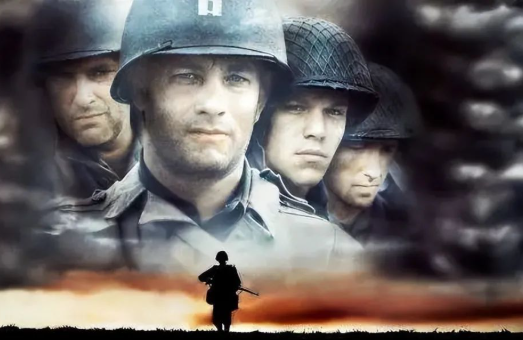
The Psychological Weight of Combat in Saving Private Ryan
Steven Spielberg’s Saving Private Ryan did more than just depict a battle; it fundamentally altered the visual language of war cinema. By abandoning the polished, heroic tropes of mid-century Hollywood, the film forces the audience into the chaotic, sensory-overloaded environment of Omaha Beach. The psychological impact stems from the film’s insistence on portraying the fragility of the human body and the moral ambiguity inherent in the mission to save one man at the cost of many.
The Trauma of Sensory Overload
The D-Day landing sequence is a masterclass in psychological immersion. Through the use of shaky-cam, desaturated color palettes, and a sound design that emphasizes the muffled, ringing silence of concussive blasts, the film replicates the sensory processing of a soldier in shock.
- Loss of Identity: Soldiers are reduced to fragments of humanity, emphasizing the anonymity of death.
- The Moral Dilemma: Captain Miller’s internal struggle reflects the disconnect between strategic military objectives and the individual soldier’s conscience.

Mogadishu: The Anatomy of Urban Warfare in Black Hawk Down
If Saving Private Ryan focuses on the psychological toll of the individual, Black Hawk Down serves as a clinical, high-octane examination of urban combat dynamics. Ridley Scott’s depiction of the Battle of Mogadishu strips away the romanticism of the “peacekeeping mission,” exposing the raw, claustrophobic reality of fighting in a hostile, non-linear environment.
Tactical Breakdown of Street Fighting
The film captures the specific challenges of modern asymmetrical warfare, where the enemy is indistinguishable from the civilian population and the battlefield is a three-dimensional maze of alleys and rooftops.
- Asymmetric Threats: The constant danger posed by RPG fire against helicopters highlights the vulnerability of high-tech forces in low-tech urban environments.
- The “Fog of War”: Communication breakdowns and the rapid degradation of tactical plans underscore the chaotic nature of the incident.

Comparative Analysis: Realism in Modern War Cinema
Both films serve as benchmarks for authenticity, yet they approach the “realism” objective through different lenses. While one focuses on the existential dread of the Second World War, the other highlights the systemic collapse of a tactical operation in the post-Cold War era.
| Feature | Saving Private Ryan | Black Hawk Down |
|---|---|---|
| Primary Conflict | Total War (WWII) | Urban Asymmetric Combat |
| Cinematic Focus | Individual Psychological Toll | Tactical/Operational Chaos |
| Visual Style | Desaturated/Bleach Bypass | High Contrast/Gritty/Fast-cut |

The Legacy of Cinematic Authenticity
The influence of these films extends beyond entertainment, shaping public understanding of military history and the ethics of intervention. By refusing to sanitize the violence, these directors forced a global conversation about the cost of geopolitical ambition and the psychological scars left on those who serve.
Frequently Asked Questions (FAQ)
- Q1: How did Saving Private Ryan change war movie production?
- It introduced a handheld, visceral aesthetic that prioritized the ‘soldier’s eye view,’ influencing almost every major war film produced in the following two decades.
- Q2: Is Black Hawk Down historically accurate?
- While it dramatizes specific events for narrative flow, it is widely praised by veterans for its accurate depiction of the intensity and confusion of the Battle of Mogadishu.
- Q3: Why is urban warfare portrayed as more dangerous in film?
- Urban settings create ‘vertical’ threats from windows and rooftops, eliminating the traditional frontline and forcing soldiers into constant, high-stress close-quarters contact.
- Q4: What is the ‘psychological impact’ mentioned in these films?
- It refers to the shift from viewing war as a heroic sacrifice to viewing it as a traumatic event involving moral injury, PTSD, and the dehumanizing effects of modern weaponry.
Editorial boundary: This article is independent commentary and general cultural analysis. It is not official, authorized, endorsed, or affiliated with any studio, publisher, streaming platform, franchise, creator, or rights holder mentioned.