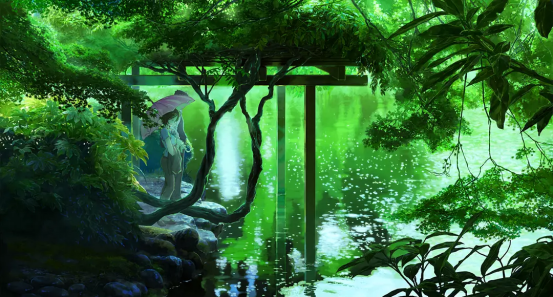
The Garden of Words: A Deep Dive into Shinkai’s Rainy Masterpiece
Makoto Shinkai’s “The Garden of Words” (Kotonoha no Niwa) stands as a testament to the power of animation to convey profound human emotions through exquisite visual storytelling. Released in 2013, this short yet impactful film transcends a simple narrative to become a meditation on loneliness, aspiration, and the serendipitous connections that can blossom in the most unexpected circumstances. At its core, the film explores the solace found in shared moments during Tokyo’s rainy season, offering a poignant look at two disparate souls, Takao Akizuki and Yukari Yukino, whose lives intersect in a tranquil Shinjuku Gyoen National Garden.
The essence of “The Garden of Words” lies not just in its stunning photorealistic animation, particularly the depiction of rain, but in its exploration of unspoken desires and the subtle psychological shifts within its characters. Shinkai masterfully uses the recurring motif of rain not merely as a backdrop, but as a character in itself—a catalyst for encounter, a shroud for vulnerability, and a cleansing force for emotional renewal. This pillar page will meticulously dissect the film’s layers, from its visual poetry to its deeper thematic implications, providing a comprehensive understanding of why this film resonates so deeply with audiences worldwide.

The Narrative Core: A Story of Unlikely Connection
At the heart of “The Garden of Words” is the unconventional relationship that develops between its two protagonists. Takao, a fifteen-year-old aspiring shoemaker, frequently skips morning classes to sketch designs in the garden, finding inspiration and refuge from his troubled home life. Yukino, a mysterious twenty-seven-year-old woman, also seeks solace in the same garden on rainy mornings, often enjoying beer and chocolate. Their encounters are initially marked by silence and unspoken understanding, gradually evolving into a fragile bond built on shared vulnerability and mutual respect.
The Genesis of Their Bond: Shared Solitude
The film deliberately avoids conventional romantic tropes, instead focusing on the profound emotional support and understanding that blossoms between Takao and Yukino. Their connection isn’t driven by grand declarations but by small gestures: Takao offering to make shoes for Yukino, and Yukino providing quiet encouragement for his dreams. This shared solitude in the rain-soaked garden becomes their sanctuary, a place where they can escape the pressures and judgments of the outside world. The ‘why’ behind their connection stems from a deep-seated need for acceptance and understanding, which they find in each other without the burden of societal expectations.
The Role of Age and Social Barriers
A significant aspect of their relationship is the twelve-year age gap, which initially presents an unspoken barrier. Takao is a high school student, while Yukino is an adult, revealed later to be a teacher from his own school. This revelation adds a layer of complexity and tension, highlighting societal norms and the challenges of forming connections that defy easy categorization. The film subtly explores the implications of this age difference, not to sensationalize it, but to illustrate how emotional resonance can transcend conventional boundaries, even as those boundaries ultimately shape the relationship’s trajectory.

Symbolism and Metaphor: Rain, Shoes, and Solitude
Makoto Shinkai’s films are renowned for their rich symbolism, and “The Garden of Words” is no exception. Every element, from the incessant rain to Takao’s passion for shoemaking, is imbued with deeper meaning, enriching the narrative and character development.
The Ubiquitous Rain: A Catalyst for Change
Rain is arguably the most significant symbolic element in the film. Far from being merely a weather phenomenon, it acts as a metaphor for various states of being. Historically, rain in Japanese culture has been associated with cleansing, renewal, and introspection. In the film, the rainy season provides a protective veil, allowing Takao and Yukino to shed their societal roles and connect authentically. It symbolizes their shared solitude and emotional vulnerability, washing away the mundane and creating a sacred space for their growth. The cessation of rain often marks a turning point, forcing them to confront reality and the future.
Shoes: A Path Forward and a Burden
Takao’s ambition to become a shoemaker is not just a character trait; it is a powerful metaphor for support, progress, and finding one’s path. Shoes carry us forward, protect us, and symbolize the journey of life. Takao’s desire to craft shoes for Yukino represents his wish to help her walk again, metaphorically, to overcome her emotional paralysis and move forward from her past trauma. Conversely, Yukino’s inability to “walk” or move forward with her life due to bullying and emotional distress underscores the burden she carries. The act of making shoes becomes a tangible expression of care and the promise of a future.
The Garden Itself: A Liminal Space
Shinjuku Gyoen National Garden serves as a liminal space—a threshold between different states of existence. It is neither fully part of the bustling city nor completely detached from human society. For Takao and Yukino, it is a neutral ground where their disparate worlds can meet without the constraints of school or professional life. This garden, lush and vibrant under the rain, represents a temporary haven, a “soul’s home” where they can be their true selves before being forced back into the complexities of their respective realities. The natural beauty of the garden reflects the burgeoning beauty of their connection.

Makoto Shinkai’s Signature Style: Visuals, Sound, and Emotion
Makoto Shinkai has carved a niche in the animation world with his distinctive aesthetic and storytelling approach. “The Garden of Words” is a quintessential example of his mastery, showcasing the elements that define his unique cinematic voice.
Photorealistic Animation: A Feast for the Eyes
Shinkai’s animation style is characterized by breathtaking photorealism, particularly in its depiction of natural phenomena and urban landscapes. The rain, puddles, reflections, and lush greenery of the Shinjuku Gyoen are rendered with an astonishing level of detail and luminosity. This meticulous attention to visual fidelity creates an immersive experience, making the fantastical elements feel grounded in reality. The vibrant colors and dynamic lighting not only contribute to the film’s beauty but also enhance its emotional impact, mirroring the characters’ internal states with external grandeur.
Sound Design: The Symphony of Rain
Complementing the stunning visuals is the film’s exquisite sound design. The ambient sounds of rain—its gentle patter, rhythmic drumming, and the soft gurgle of water—are not just background noise but an integral part of the narrative. They create a soothing, almost meditative atmosphere that envelops the viewer, pulling them into the characters’ shared moments of peace. The absence of dialogue during many of their encounters is filled by this natural symphony, allowing the audience to focus on the subtle visual cues and emotional undercurrents. The melancholic yet hopeful score by Kashiwa Daisuke further amplifies the film’s emotional depth.
Emotional Resonance and Character Psychology
Shinkai excels at portraying the nuances of human emotion, often through internal monologues and subtle expressions rather than overt dialogue. Takao’s adolescent anxieties and aspirations, and Yukino’s adult burdens and emotional paralysis, are conveyed with remarkable authenticity. The film delves into the psychological complexities of loneliness, escapism, and the struggle to move forward. Shinkai’s ability to evoke empathy for his characters, despite the brevity of the film, is a testament to his profound understanding of the human condition.
Pro Tips for Appreciating “The Garden of Words”
To fully immerse yourself in the beauty and depth of Makoto Shinkai’s “The Garden of Words,” consider these expert tips:
- Watch with High Fidelity Audio: The sound design, especially the rain, is crucial. Use good headphones or a quality sound system to catch every nuance.
- Pay Attention to Background Details: Shinkai’s films are rich with environmental storytelling. Notice the changing seasons, the subtle movements of leaves, and the reflections in puddles for deeper meaning.
- Consider Japanese Cultural Context: Understand the significance of the rainy season (tsuyu) in Japan, often associated with introspection, melancholy, and beauty. The concept of “Amae” (dependency or longing to be loved) also subtly underpins Yukino’s character.
- Focus on Non-Verbal Communication: Much of the film’s emotional weight is conveyed through glances, body language, and the characters’ actions rather than dialogue.
- Re-watch for Symbolism: Elements like shoes, the garden, and even the specific types of food and drink hold symbolic weight. A second viewing can reveal layers you missed.
- Explore Shinkai’s Other Works: Comparing “The Garden of Words” with films like “5 Centimeters Per Second” or “Your Name” can highlight his evolving style and recurring themes.
Comparing “The Garden of Words” with Other Shinkai Masterpieces
Makoto Shinkai’s filmography is diverse, yet distinct thematic and stylistic threads connect his works. Here’s a comparison of “The Garden of Words” with some of his other notable films:
| Feature | The Garden of Words (2013) | 5 Centimeters Per Second (2007) | Your Name. (2016) | Weathering With You (2019) |
|---|---|---|---|---|
| Core Theme | Loneliness, unlikely connection, finding solace, emotional healing | Distance, unrequited love, the pain of separation, nostalgia | Destiny, memory, overcoming disaster, finding connection | Climate change, sacrifice, fate vs. free will, love |
| Protagonists | Takao (aspiring shoemaker), Yukino (teacher) | Takaki, Akari (childhood friends) | Taki (city boy), Mitsuha (country girl) | Hodaka (runaway boy), Hina (sunshine girl) |
| Central Motif | Rain, shoes, the garden | Cherry blossoms, trains, space | Comet, red string of fate, body swapping | Rain, sunshine, sky fish |
| Animation Style | Hyper-realistic, focus on nature and light | Beautiful, melancholic, detailed landscapes | Dynamic, vibrant, grand scale, fantasy elements | Stunning, detailed, focus on weather and urban Tokyo |
| Emotional Tone | Introspective, melancholic, ultimately hopeful | Profoundly melancholic, bittersweet, realistic | Hopeful, adventurous, romantic, epic | Adventurous, romantic, socially critical, bittersweet |
| Narrative Structure | Single, focused narrative over a rainy season | Three interconnected short stories | Complex, non-linear, body-swapping plot | Linear, action-packed, fantastical elements |
Frequently Asked Questions (FAQ)
- What is the main message or theme of “The Garden of Words”?
- The primary themes include loneliness, the search for solace, unexpected human connection, and the healing power of shared vulnerability. It explores how two individuals, burdened by their own struggles, find comfort and a sense of belonging in each other’s presence, primarily facilitated by the tranquil setting of the rainy season.
- Is “The Garden of Words” a romance film?
- While it contains elements of burgeoning affection and deep emotional connection, it is not a conventional romance. The film focuses more on the platonic, supportive bond that forms between Takao and Yukino, and their individual journeys of growth and healing. The age gap and societal implications add complexity, steering it away from a simple romantic categorization.
- What is the significance of the rainy season in the film?
- The rainy season is a central metaphor. It symbolizes a period of introspection, cleansing, and emotional vulnerability. For the characters, the rain creates a private, isolated world where they can escape their daily lives and connect authentically without judgment. It acts as a catalyst for their relationship and a backdrop for their emotional development.
- Why are shoes so important to Takao’s character?
- Takao’s aspiration to be a shoemaker is deeply symbolic. Shoes represent moving forward, finding one’s path, and providing support. His desire to make shoes for Yukino signifies his wish to help her overcome her emotional paralysis and “walk again” into a happier future. It’s a tangible expression of his care and commitment to her well-being.
- How does “The Garden of Words” compare to Makoto Shinkai’s later works like “Your Name.” or “Weathering With You”?
- “The Garden of Words” is generally more intimate, introspective, and melancholic, focusing on a personal, smaller-scale story. While it shares Shinkai’s signature stunning visuals and emotional depth, it lacks the grander, more fantastical, and action-oriented plots found in “Your Name.” and “Weathering With You.” It’s a more subdued, character-driven piece, often seen as a bridge between his earlier, more somber works and his later, more optimistic blockbusters.
Editorial boundary: This article is independent commentary and general cultural analysis. It is not official, authorized, endorsed, or affiliated with any studio, publisher, streaming platform, franchise, creator, or rights holder mentioned.