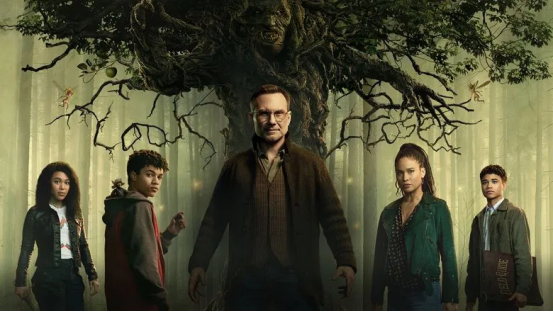
Modern animated fantasy adventures have evolved far beyond simple tales of good versus evil. They are intricate tapestries weaving together magic, mystery, and profound human emotion, serving as powerful allegories for the challenges of growing up. Narratives like The Spiderwick Chronicles and A Midsummer Night’s Magic exemplify this genre, thrusting young protagonists into extraordinary circumstances that test their courage, challenge their perspectives, and ultimately forge their identities. These stories are not just about battling monsters or breaking curses; they are deep explorations of family dynamics, the burdens of responsibility, and the transformative journey of self-discovery. By venturing into unseen realms, characters uncover not only magical creatures but also the hidden strengths within themselves.
The Call to Adventure: Uncovering Worlds Beyond Sight
The journey into any fantasy world begins with a catalyst—an event that shatters the mundane and reveals a hidden reality. This “call to adventure” often involves a physical relocation, placing the protagonists in an environment ripe with history and secrets. This new setting acts as a gateway, forcing them to confront the unknown and begin their transformative journey.
The Inherited Mystery of the Spiderwick Estate
For the Grace children—Jared, Simon, and Mallory—in The Spiderwick Chronicles, the adventure begins when they move with their mother into the dilapidated and isolated Spiderwick estate. The house itself is a character, filled with strange noises, a secret library, and a palpable sense of history. It is here that the curious and often rebellious Jared discovers a mysterious book: Arthur Spiderwick’s Field Guide to the Fantastical World Around You. This book is the key that unlocks the door to a world teeming with faeries, goblins, sprites, and boggarts, a world that exists just beyond the veil of human sight. The move is not just a change of address; it is an inheritance of a dangerous and magical legacy that they must now protect.
A Royal Mandate in a Cursed Kingdom
In A Midsummer Night’s Magic, the call to adventure is born from duty and desperation. Princess Elena is faced with a looming threat to her kingdom, a mysterious curse emanating from a magical, enchanted forest. Her quest is not one of accidental discovery but of purposeful action. She must venture into this forest, a place of both breathtaking beauty and perilous enchantment, to find the source of the curse and save her people. Her journey is guided by a sense of responsibility, but it quickly becomes a personal quest for understanding, where she meets a mysterious musician named Leo who is intrinsically linked to the forest’s magic.

Navigating the Rules of Magic: Guides, Dangers, and Alliances
Magic in these sophisticated narratives is rarely a chaotic, limitless force. It operates under a distinct set of rules, principles, and limitations that the protagonists must learn to navigate. Understanding this magical framework is crucial for survival, and this knowledge is often imparted through guides, ancient texts, or newfound allies who help illuminate the path forward.
The Field Guide as a Manual for Survival
Arthur Spiderwick’s Field Guide is the central pillar of the magical system in The Spiderwick Chronicles. It is not a book of spells but an encyclopedic work of naturalism, detailing the anatomy, behaviors, and vulnerabilities of magical creatures. It establishes critical rules for interacting with the fae world:
- The Unseen World: Most faeries cannot be seen by the naked eye unless they wish it. A “seeing stone” or having “the Sight” is required to perceive them.
- Iron as a Repellent: Fae creatures are vulnerable to iron, which acts as a powerful deterrent and weapon against malicious entities like goblins.
- The Protective Circle: A circle of salt or stone, like the one surrounding the Spiderwick estate, provides a sanctuary that most faeries cannot cross. This establishes a clear boundary between safety and danger.
This guide transforms the Grace children from victims into knowledgeable defenders, giving them the agency to fight back against forces they cannot physically overpower.
The Intuitive Magic of the Enchanted Forest
In contrast, the magic in A Midsummer Night’s Magic is more elemental and intuitive. It is tied to nature, music, and emotion. The enchanted forest operates on a symbiotic relationship between its inhabitants and the land itself. The musician Leo serves as a living guide, his melodies having the power to soothe the forest’s spirits and influence its magic. For Princess Elena, learning to navigate this world is less about studying a text and more about learning to trust her instincts, connect with nature, and understand the emotional heart of the curse that plagues the land.

The Crucible of Character: Forging Heroes Through Adversity
At the heart of these fantasy adventures are profound character arcs. The magical challenges and monstrous threats serve as a crucible, testing the protagonists’ limits and forcing them to evolve. The journey through the fantastical world is a direct metaphor for the internal journey from one stage of life to the next, marked by newfound maturity, responsibility, and self-awareness.
From Anger to Responsibility: The Evolution of Jared Grace
Jared Grace begins his story as an angry and troubled child, acting out due to his parents’ separation. His discovery of the Field Guide initially seems like another way to cause trouble, but it quickly thrusts upon him a responsibility he cannot ignore. He becomes the primary protector of the book, a role that forces him to shift his focus from his internal anger to an external threat. This forces him to mend his relationships with his siblings, learn to think strategically, and demonstrate immense courage. His journey is a classic example of a reluctant hero who grows into his role, proving that true strength comes from protecting others.
From Duty to Identity: Princess Elena’s Self-Discovery
Princess Elena’s journey is one of self-discovery, moving from a life defined by royal duty to one guided by personal conviction and love. While she enters the forest to save her kingdom, the experience challenges her to define who she is beyond her title. Her relationship with Leo and her connection to the forest’s magic empower her to find her own voice and strength. She learns that true leadership is not just about fulfilling obligations but about empathy, understanding, and the courage to forge a new path. Her adventure is a quest to break not only the kingdom’s curse but also the constraints of her own predefined role.

Confronting the Darkness: External Monsters and Internal Demons
The antagonists in modern fantasy provide more than just physical obstacles; they often mirror the internal conflicts of the heroes. Whether a tangible monster or an intangible curse, the central conflict forces the protagonists to confront their deepest fears and weaknesses.
Mulgarath and His Goblin Army: A Tangible Threat
In The Spiderwick Chronicles, the primary antagonist is Mulgarath, a shapeshifting ogre who commands an army of goblins. His goal is terrifyingly simple: to seize the Field Guide and use its knowledge to dominate both the faerie and human worlds. Mulgarath represents a direct, physical threat that requires immediate and decisive action. The fight against him is a battle for survival, pushing the Grace children to use their wits and the knowledge from the guide to defend their home and family. He is the embodiment of greed and destructive power, a force that must be defeated through unity and intelligence.
The Shadow of the Curse: An Intangible Foe
The conflict in A Midsummer Night’s Magic is more symbolic. The curse affecting the kingdom is not a single entity to be fought but a pervasive blight that represents stagnation, sorrow, or a long-forgotten injustice. Defeating it requires not a sword but understanding, empathy, and a healing act. This type of antagonist forces Princess Elena to engage in emotional and intellectual labor, to uncover a hidden truth and restore balance. The curse acts as a metaphor for unresolved trauma or societal ills that can only be overcome through compassion and reconciliation.

Unifying Themes: The Power of Connection and Courage
Despite their different plots and magical systems, these fantasy adventures share a common thematic core. They champion the power of human connection—whether familial or romantic—as the ultimate weapon against darkness. They argue that true courage is not the absence of fear but the willingness to act in spite of it for the sake of others.
The Unbreakable Bond of Family
A central theme in The Spiderwick Chronicles is the strengthening of family bonds through shared adversity. Initially, the Grace siblings are disconnected, each dealing with their family’s turmoil in their own way. The threat of Mulgarath forces them to put aside their differences, trust one another, and work together. Mallory’s fencing skills, Simon’s knowledge of animals, and Jared’s strategic thinking become complementary assets. Their victory is a testament to their success not just in defeating an ogre, but in becoming a unified family again.
The Transformative Power of Love and Trust
A Midsummer Night’s Magic champions the power of love and emotional connection. The bond that forms between Princess Elena and the musician Leo is the key to unraveling the curse. Their relationship is built on mutual trust and vulnerability, allowing them to combine their strengths. This narrative suggests that love is a form of magic in itself—a force capable of healing deep wounds, inspiring immense bravery, and bringing light back to a world shrouded in darkness. It is through this connection that Elena fully realizes her own potential.

The Lasting Impact of Fantasy Narratives
Fantasy adventures endure because they provide a magical lens through which we can examine our own reality. They take the abstract challenges of life—finding your place in the world, taking on new responsibilities, learning to trust others, and confronting your fears—and give them tangible form as enchanted forests and menacing goblins. These stories remind us of the importance of curiosity, the existence of wonders hidden in plain sight, and the extraordinary potential that lies within ordinary people. By exploring these mystical realms, we are ultimately exploring the vast, uncharted territory of the human heart and its incredible capacity for growth, courage, and connection.
Frequently Asked Questions (FAQ)
- What makes modern fantasy adventures different from classic fairy tales?
- Modern fantasy adventures typically feature more complex characters with detailed psychological motivations and significant personal growth arcs. Unlike the often archetypal figures in classic fairy tales, protagonists in stories like The Spiderwick Chronicles are flawed and relatable. Furthermore, the world-building is often more intricate, with established rules of magic and a deeper exploration of themes beyond a simple moral lesson.
- What is the significance of a “guide” or “mentor” in these stories?
- A guide, whether a person like Leo or a text like Arthur Spiderwick’s Field Guide, serves a crucial narrative function. It is the primary tool for exposition, explaining the rules of the fantasy world to both the characters and the audience. More importantly, the guide empowers the protagonists, giving them the knowledge and confidence they need to transition from being victims of their circumstances to active heroes who can face the challenges ahead.
- How do fantasy settings contribute to character development?
- The fantasy setting acts as a crucible for character development. By removing protagonists from their familiar, mundane world, the new environment strips away their old identities and support systems. An enchanted forest or a magical estate forces them to rely on their own wits and inner strength, revealing their true character. The external dangers of the setting directly catalyze internal growth, forcing them to become more courageous, responsible, or empathetic.
- Are the monsters in these stories purely evil?
- While some antagonists like Mulgarath are portrayed as embodiments of greed and destruction, modern fantasy often explores more nuanced motivations. In many stories, “monsters” or curses are the result of a past tragedy, a misunderstanding, or a natural imbalance. This allows for more complex resolutions than simply defeating a villain, sometimes requiring acts of healing, forgiveness, or restoration to bring peace to the land, which in turn teaches a more profound lesson.