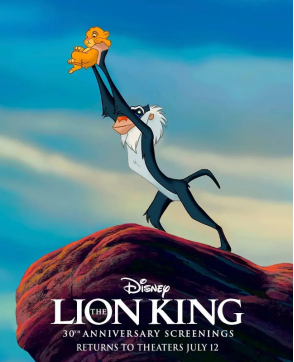
The Enduring Legacy of Disney Animation Classics
Disney animation has shaped generations of viewers, creating a visual language that transcends age and geography. From the hand-drawn precision of the early golden age to the sophisticated computer-generated imagery of the modern era, these films serve as cultural touchstones. Revisiting these classics is not merely an act of nostalgia; it is an examination of the evolving storytelling techniques that define the medium.
Defining the Golden Age
The early works of Walt Disney established the foundational tropes of the animated feature. By blending folklore with technical innovation, films like Snow White and the Seven Dwarfs set a standard for character development and musical integration that remains the industry benchmark today.
- Narrative Structure: The “Hero’s Journey” adapted for family audiences.
- Technological Innovation: The development of the multiplane camera to create depth.
- Emotional Resonance: Using iconic soundtracks to anchor memory and feeling.

The Culinary Language of Disney: Food as a Storytelling Tool
In the vast library of Disney films, food is rarely just a background element. It functions as a narrative catalyst, a symbol of domesticity, or a marker of cultural identity. Whether it is the iconic spaghetti dinner in Lady and the Tramp or the elaborate feast in Beauty and the Beast, food creates a tangible connection between the audience and the fantasy environment.
Symbolism and Character Development
Food often serves to humanize characters, even those that are non-human or fantastical. By depicting the preparation and consumption of meals, filmmakers provide insight into the social structures and emotional states of the characters on screen.
| Film Title | Role of Food | Key Narrative Impact |
|---|---|---|
| Lady and the Tramp | Romantic Catalyst | Establishes the bond between the leads. |
| Ratatouille | Artistic Expression | Defines the protagonist’s internal struggle. |
| Beauty and the Beast | Hospitality/Community | Reflects the magic and life within the castle. |

Evolution of Animation Techniques
The progression from traditional cel animation to digital rendering has drastically altered how we perceive the “realism” of food and environments in Disney films. Modern animators prioritize texture and lighting to make food appear as appetizing as possible, often spending hundreds of hours on a single scene involving a banquet or a small meal.
The Shift to Digital Realism
As technology advanced, the ability to animate complex physics—such as the way steam rises from a bowl of soup or the way liquid pours into a glass—became a hallmark of the studio’s technical prowess.
- Lighting Effects: Utilizing global illumination to simulate natural kitchen environments.
- Texture Mapping: Creating hyper-realistic surfaces for ingredients, enhancing audience immersion.
- Physics Simulation: Ensuring that movement, such as stirring or cutting, feels grounded in physical reality.

Cultural Impact and Global Reach
Disney’s global reach is evidenced by the universal appeal of its culinary portrayals. By incorporating diverse cultural cuisines into their films, Disney has successfully created a global dialogue around food, tradition, and shared experience.
Connecting Global Audiences
When Disney highlights specific cultural dishes, it invites the audience to learn about different traditions. This educational aspect of animation serves to bridge cultural gaps, making the studio’s output more than just entertainment; it becomes a form of cultural literacy.
Frequently Asked Questions (FAQ)
- Q1: Why is food so frequently featured in Disney animation?
- Food provides a universal sensory experience that grounds fantastical stories in reality. It serves as a shorthand for comfort, celebration, and character personality, making the animated world feel more relatable to the audience.
- Q2: How has the depiction of food changed from classic to modern films?
- Early classics used simplified, stylized representations of food. Modern films utilize advanced digital rendering and physics simulations to create hyper-realistic, mouth-watering food scenes that are technically complex and visually stunning.
- Q3: Are there specific films that focus heavily on the culinary arts?
- Yes, films like Ratatouille are entirely centered on the culinary world, exploring themes of passion, creativity, and the impact of food on the human soul. Other films use food as a secondary but vital plot device.
- Q4: Why is it important to revisit these animated classics today?
- Revisiting classics allows for a deeper appreciation of the artistic evolution of animation. It also provides a chance to analyze how storytelling tropes have shifted over the decades to reflect changing social values and technological capabilities.
Editorial boundary: This article is independent commentary and general cultural analysis. It is not official, authorized, endorsed, or affiliated with any studio, publisher, streaming platform, franchise, creator, or rights holder mentioned.