The Architecture of the Heroic Journey in Fantasy Cinema
The genre of fantasy adventure serves as a profound mirror for human development, often utilizing the “Hero’s Journey” archetype to explore themes of identity, courage, and societal responsibility. By examining narratives ranging from the mythological trials of Percy Jackson to the internal struggles of Coraline, we can identify a consistent framework of growth that resonates across generations.
Defining the Call to Adventure
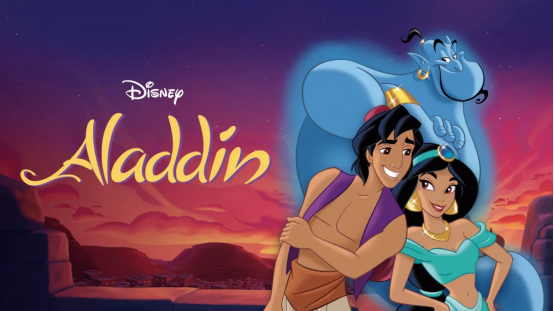
In almost every significant fantasy narrative, the protagonist undergoes a rupture in their mundane life. This catalyst is essential for forcing the character out of their comfort zone and into a world where they must confront their limitations. Whether it is Aladdin navigating the class divide or Mulan stepping into the role of a soldier, the “Call to Adventure” represents the moment where potential transforms into action.
- External Conflict: Physical obstacles that test the protagonist’s resolve.
- Internal Conflict: The psychological barriers, such as self-doubt or the fear of being an outsider, that must be overcome to succeed.

Cultural Authenticity and World-Building
Modern fantasy films have increasingly prioritized cultural authenticity as a cornerstone of their storytelling. By grounding fantastical elements in real-world history and tradition, films like Moana (exploring Polynesian culture) and Atlantis: The Lost Empire succeed in creating immersive experiences that feel both magical and grounded.
The Role of Tradition in Narrative
Effective world-building relies on the seamless integration of cultural artifacts, belief systems, and social structures. In Moana, the narrative is not just an adventure but an exploration of voyaging traditions and ancestral connection. This adds layers of depth that elevate the film from a standard cartoon to a meaningful study of heritage.
| Film | Cultural Influence | Core Theme |
|---|---|---|
| Moana | Polynesian | Ancestral duty and self-discovery |
| Mulan | Chinese | Filial piety and personal agency |
| Aladdin | Middle Eastern Folklore | Social mobility and authenticity |

Self-Discovery and the Power of Personal Growth
At the heart of the fantasy genre lies the evolution of the self. Characters like Tinker Bell in Legend of the NeverBeast or the titular character in The Good Dinosaur demonstrate that growth is rarely linear. It is often achieved through the formation of unlikely friendships and the willingness to accept help from others.
The Impact of Mentorship and Companionship
Growth is frequently facilitated by mentors or companions who challenge the protagonist’s worldview. In The Good Dinosaur, the relationship between Arlo and Spot serves as a catalyst for Arlo to move past his paralyzing fear. This theme of “courage through connection” is a recurring motif that emphasizes that no hero truly acts in isolation.

Evolution of the Genre: Remakes and Reimagining Classics
The industry is currently witnessing a wave of live-action adaptations, such as the upcoming Lilo & Stitch project. These reinterpretations provide a unique opportunity to revisit beloved stories with modern cinematic technology while re-evaluating the emotional core of the original works. Re-imagining allows creators to expand on previously subtle sub-plots or character motivations, ensuring that the legacy of these stories remains relevant to contemporary audiences.
Frequently Asked Questions (FAQ)
- Q1: Why is the “Hero’s Journey” so prevalent in these films?
- The Hero’s Journey provides a universal structure that mirrors the human developmental process. It allows audiences of all ages to relate to the character’s struggles, failures, and ultimate triumphs.
- Q2: How do films like Moana balance fantasy with real cultural elements?
- These films utilize extensive research and collaborations with cultural consultants to ensure that the representation of folklore, navigation, and social values remains respectful and accurate while still serving the needs of a narrative fantasy.
- Q3: What role does “courage” play in these animated adventures?
- Courage is rarely depicted as the absence of fear. Instead, these films define courage as the ability to act despite one’s fears, emphasizing that true strength comes from vulnerability and the support of friends.
- Q4: Why are studios focusing on live-action adaptations of animated classics?
- Live-action adaptations allow for visual spectacle and the deepening of character backstories, providing a fresh perspective on familiar narratives that can resonate with both nostalgic adults and new, younger viewers.