
Inspirational films possess a unique and powerful ability to transcend the screen, touching our hearts and motivating us to look at our own lives with a renewed sense of purpose and possibility. They are more than just entertainment; they are cinematic parables that explore the depths of the human spirit, showcasing incredible journeys of perseverance, the strength of unconventional families, and the profound courage it takes to be oneself. These stories remind us that our potential is not defined by our circumstances but by our character, our dreams, and our connections with others. This guide synthesizes the core lessons from some of cinema’s most beloved inspirational tales, offering a deep dive into the themes that make them timeless sources of motivation.
From the simple-hearted determination of Forrest Gump to the intellectual and emotional awakening of Will Hunting, we will explore how characters overcome immense personal and societal obstacles. We will analyze the transformative power of friendship that breaks down barriers of class and ability, and celebrate the beauty of families that find strength in their quirks and unconditional love. Each film serves as a testament to the idea that life’s greatest victories are often internal, found in the quiet moments of self-acceptance, the extension of empathy, and the relentless pursuit of a dream, no matter how small or grand.
The Unyielding Power of Perseverance and Grit
Perhaps the most common thread in inspirational cinema is the celebration of perseverance. These films demonstrate that success is rarely a straight line, but rather a winding path paved with setbacks, failures, and the will to continue. They teach us that true strength lies not in never falling, but in getting up every single time.
Forrest Gump: Life is Like a Box of Chocolates
Forrest Gump is the quintessential story of perseverance through simplicity and sincerity. Despite his low IQ and physical challenges, Forrest’s life is a series of extraordinary achievements. His guiding principle is to follow through on his commitments, whether it’s a promise to his friend Bubba or his love for Jenny. His cross-country run, undertaken for no reason other than he “just felt like runnin’,” becomes a national phenomenon, symbolizing that dedication, even without a clear goal, can inspire millions. Forrest teaches us that you don’t need a grand plan to live a meaningful life; sometimes, all you need is the determination to put one foot in front of the other.
Million Dollar Baby: The Fight for Dignity
In Million Dollar Baby, Maggie Fitzgerald embodies a grittier, more desperate form of perseverance. Starting her boxing career late in life, she faces skepticism and outright rejection, particularly from her would-be trainer, Frankie Dunn. Yet, her relentless work ethic and unwavering belief in herself eventually win him over. Maggie’s journey is a brutal depiction of fighting for a dream against all odds. Her motto, “Always protect yourself,” evolves from a boxing tactic to a life philosophy. The film powerfully argues that the dignity is not in the final outcome, but in the courage to enter the ring and give the fight everything you have, no matter the cost.
Call Me Number One: Overcoming Tourette’s with Tenacity
The film Call Me Number One (inspired by the true story portrayed in *Hichki*) presents Naina Mathur, an aspiring teacher with Tourette Syndrome. She faces constant rejection from schools that see her involuntary tics as a liability. When she finally lands a job teaching a class of underprivileged and rebellious students, her real challenge begins. Naina’s perseverance is twofold: she must manage her own condition while simultaneously breaking through the walls of students who have been written off by society. Her journey is a masterclass in turning a perceived weakness into a unique strength, proving that passion and resilience can overcome deep-seated prejudice.

Redefining Success by Embracing the Journey
In a world often obsessed with winning, some of the most powerful inspirational films suggest a different definition of success. They champion the idea that the journey—the experiences, the relationships forged, and the personal growth achieved along the way—is far more valuable than the final trophy or title.
Little Miss Sunshine: The Beauty of Imperfection
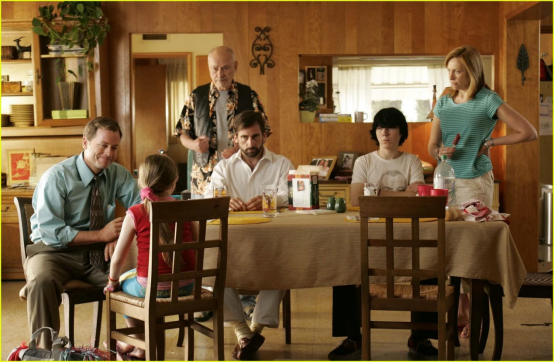
Little Miss Sunshine is a brilliant satire of our competitive culture, told through the story of the dysfunctional Hoover family. They embark on a cross-country road trip in a broken-down VW bus to get their seven-year-old daughter, Olive, into a children’s beauty pageant. Every member of the family is grappling with their own perceived failure, yet it is on this chaotic journey that they find their strength. The film’s climax, where Olive performs a hilariously inappropriate dance routine, is a triumphant celebration of being yourself. The lesson is clear: true success is not about winning the crown but about having a family that will get up on stage and dance with you, even when you are making a fool of yourself. It’s about finding joy and solidarity in the attempt.
Jump Out of My World: Dancing Against Stereotypes
In Jump Out of My World (widely known as *Billy Elliot*), a young boy from a working-class mining town discovers a passion for ballet. He faces intense opposition from his father and brother, who see ballet as an unacceptable pursuit for a boy in their hyper-masculine community. Billy’s journey is not just about learning to dance; it’s about fighting for his right to express his identity. His success is not just getting into the Royal Ballet School, but the gradual, hard-won acceptance from his family. The film teaches that pursuing one’s passion is a courageous act and that success is measured by the barriers you break within yourself and your community.

The Courage to Confront and Heal Inner Wounds
True inspiration often comes from stories of internal struggle and the difficult path toward healing. These narratives show that the bravest journey a person can take is the one into their own heart and mind, confronting past trauma to unlock their true potential.
Good Will Hunting: It’s Not Your Fault
Good Will Hunting explores the story of Will, a self-taught mathematical genius working as a janitor at MIT, who is also a deeply troubled young man scarred by a childhood of abuse. While his intellect is boundless, his emotional growth is stunted, and he sabotages relationships to avoid vulnerability. The film’s core is his therapy sessions with Sean Maguire, a psychologist who sees past the boy’s defensive arrogance. The breakthrough moment, where Sean repeatedly tells Will, “It’s not your fault,” is one of cinema’s most powerful depictions of emotional healing. The film’s central message is that intellectual brilliance is meaningless without emotional intelligence and that true genius lies in the courage to be vulnerable and connect with others. It is the first step toward happiness.
The Path to Self-Discovery
Will’s journey highlights several critical steps for personal growth that resonate universally:
- Acknowledging Trauma: The first step to healing is admitting that you are wounded. Will’s initial resistance to therapy is a defense mechanism that many people use to avoid confronting painful memories.
- Finding the Right Mentor: Sean is effective not because he is the smartest person in the room, but because he is willing to be vulnerable himself, sharing his own grief and failures to build a bridge of trust with Will.
- Choosing Love Over Fear: Will’s ultimate decision to leave his comfort zone and pursue a relationship with Skylar represents his choice to embrace an uncertain future rather than remain a prisoner of his past.

Seeing Beyond Appearances: The Power of Empathy
Inspirational films often challenge our preconceived notions about people, urging us to look beyond physical appearances, disabilities, or social status and connect with the shared humanity that lies beneath. They are powerful lessons in empathy and acceptance.
Wonder: Choosing Kind
Wonder tells the story of Auggie Pullman, a young boy with a severe facial deformity, as he attends a mainstream school for the first time. The film is a poignant exploration of kindness, bullying, and the courage it takes to face the world when you look different. Narrated from multiple perspectives, it masterfully shows that everyone is fighting their own battle. Auggie’s journey is not just about his own resilience but also about the transformative effect he has on his family, his friends, and his entire school community. The central precept, “When given the choice between being right or being kind, choose kind,” serves as a simple yet profound moral compass. Beauty, the film argues, is not in how we look, but in how we treat others.
The Intouchables: Friendship Without Boundaries
Based on a true story, The Intouchables chronicles the unlikely friendship between Philippe, a wealthy quadriplegic aristocrat, and Driss, a young man from the projects hired as his live-in caregiver. Their relationship transcends the immense boundaries of class, race, and physical ability. Driss refuses to treat Philippe with pity, instead challenging him, making him laugh, and reintroducing him to the chaotic joy of life. In turn, Philippe exposes Driss to art, culture, and a sense of responsibility. Their bond is a powerful testament to the idea that boundaries are just a creation of our imaginations. The film teaches us that true connection is found when we see the person, not their circumstances, and that friendship can be the most potent form of healing.
The Transformative Power of Human Connection
While individual journeys are central to these films, they all underscore a universal truth: we do not achieve our dreams or heal our wounds in a vacuum. The connections we forge—with friends, family, and mentors—are the foundation upon which a meaningful life is built. These relationships provide the support, perspective, and love necessary to navigate life’s greatest challenges.
Finding Unlikely Families
Many of these stories showcase families that are not defined by blood but by choice and circumstance. In The Intouchables, Driss and Philippe form a bond stronger than many traditional families. In Good Will Hunting, Sean becomes the father figure Will never had, providing the guidance and unconditional acceptance that allows him to heal. The Hoover family in Little Miss Sunshine, despite their constant bickering and individual failures, come together when it matters most, demonstrating that love and support are what truly define a family, not a veneer of perfection. These films remind us to cherish the people who stand by us, celebrate our quirks, and push us to be better versions of ourselves.
The Impact of a Single Relationship
The narrative arc of nearly every protagonist is catalyzed by a key relationship. Forrest Gump’s life is shaped by the unwavering belief of his mother and his enduring love for Jenny. Maggie’s potential in Million Dollar Baby is only unlocked through her partnership with Frankie. Auggie’s successful integration into school in Wonder is made possible by the friendship of a boy named Jack Will, who learns to see past his appearance. These cinematic examples serve as a powerful reminder of our own influence on others. A single act of kindness, a word of encouragement, or the simple gift of friendship can be the catalyst that changes someone’s life forever.
Frequently Asked Questions (FAQ)
- What is the most common theme in inspirational movies?
- The most prevalent theme is perseverance. Nearly all inspirational films feature a protagonist who must overcome significant external obstacles (societal prejudice, physical limitations, poverty) or internal struggles (trauma, self-doubt) through sheer determination and resilience. This theme resonates universally because it reflects the human desire to strive for a better future despite adversity.
- How can watching a film like Good Will Hunting help with personal growth?
- Good Will Hunting offers profound insights into the importance of emotional intelligence and confronting past trauma. It teaches that intellectual ability is not enough for a fulfilling life and that vulnerability is a strength, not a weakness. The film can inspire viewers to seek help, value mentorship, and understand that healing from deep-seated emotional wounds is a courageous and necessary step toward happiness and authentic relationships.
- Which inspirational movie is best for teaching children about empathy?
- Wonder is an exceptional film for teaching children about empathy. By showing the story from multiple perspectives, it helps young viewers understand the feelings of not just the protagonist, Auggie, but also his sister, his friends, and even those who are unkind to him. Its core message, “Choose kind,” provides a simple, actionable principle for navigating social interactions with compassion.
- Do these movies portray a realistic outcome of perseverance?
- While inspirational films often use dramatic storytelling, they portray an essential truth about perseverance: it does not always lead to the expected “happy ending,” but it always leads to growth and dignity. For example, Million Dollar Baby has a tragic conclusion, but the victory lies in Maggie’s courage and the meaning she found in her fight. The films realistically show that the value of perseverance is often in the journey and the person you become, rather than the final prize.
- What makes the friendship in The Intouchables so inspiring?
- The friendship in The Intouchables is inspiring because it is built on a foundation of mutual respect and a complete disregard for societal boundaries like class, race, and physical ability. Driss treats Philippe not as a disabled patient but as a man who needs adventure and laughter, while Philippe sees past Driss’s criminal record to his inherent intelligence and good heart. Their relationship is a powerful example of how genuine human connection can flourish when we strip away labels and treat each other with honesty and empathy.
Editorial boundary: This article is independent commentary and general cultural analysis. It is not official, authorized, endorsed, or affiliated with any studio, publisher, streaming platform, franchise, creator, or rights holder mentioned.