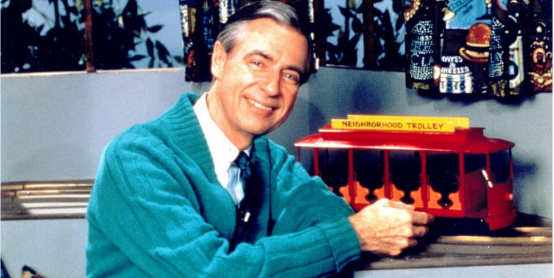
The Power of Radical Kindness: Won’t You Be My Neighbor?
In an era increasingly defined by digital polarization and social fragmentation, the documentary “Won’t You Be My Neighbor?#8221; serves as a profound masterclass in the psychological and sociological impact of radical kindness. Far from being a simple biographical retrospective of Fred Rogers, the film meticulously deconstructs how a softly spoken television host revolutionized childhood education and tackled some of the most complex societal issues of the 20th century. Rogers utilized the emerging medium of television not as a tool for mindless distraction, but as a deeply intimate channel for emotional validation and moral development.
Redefining Children’s Media Through Psychological Depth
Fred Rogers recognized that children navigate emotional landscapes just as turbulent and complex as those of adults. The documentary highlights his unprecedented approach to addressing topics that mainstream media deemed too heavy for young audiences. By consulting with child psychologists and leveraging his own inherent empathy, Rogers crafted a television environment that was fundamentally rooted in respect.
- Tackling National Tragedies: The documentary showcases how Rogers addressed the assassination of Robert F. Kennedy, providing parents and children with a shared vocabulary to process grief and systemic violence.
- Dismantling Racial Segregation: In a groundbreaking television moment during the height of the civil rights movement, Rogers invited Officer Clemmons, a Black character, to cool his feet in a wading pool alongside him, subtly but powerfully challenging racial barriers.
- Navigating Domestic Upheaval: Episodes dedicated to divorce and familial separation offered a lifeline of stability to children experiencing the dissolution of their family structures, reassuring them that their inherent worth remained intact.
These deliberate creative choices underscore a central thesis of the documentary: kindness is not a passive trait, but an active, courageous methodology for social intervention. The film illustrates that by fostering emotional intelligence at a foundational age, society can cultivate a more empathetic and resilient populace.

Bridging Generational Divides: The Emotional Resonance of Parade
Historical documentaries often run the risk of presenting the past as a sterile, disconnected sequence of events. However, “Parade” defies this convention by engineering a visceral, emotional bridge between historical memory and contemporary consciousness. The film operates on the premise that the past is not merely prologue, but an active, breathing entity that continuously shapes our present identities, communal traumas, and collective aspirations.
The Mechanics of Intergenerational Storytelling
To achieve this profound emotional resonance, the filmmakers employ a sophisticated blend of narrative techniques that blur the lines between eras. By juxtaposing archival footage with modern-day reflections, “Parade” creates a dialogue across time. This technique does more than just inform the viewer; it forces them to confront the cyclical nature of human struggle and triumph.
The documentary utilizes personal testimonies as the primary vehicle for historical exploration. Instead of relying solely on academic historians, the narrative is driven by the descendants of those who lived through the pivotal moments depicted. This shifts the focus from macro-level historical analysis to micro-level human experience, making abstract historical concepts deeply intimate.
- Archival Synthesis: The meticulous restoration and contextualization of historical footage allow modern audiences to experience the visceral reality of past generations, stripping away the sepia-toned distance often associated with history.
- Trauma and Healing: The film bravely addresses intergenerational trauma, exploring how the emotional scars of historical events are passed down, and simultaneously, how acknowledging these scars serves as the first step toward communal healing.
- Cultural Continuity: By tracing the evolution of specific cultural parades and public gatherings, the documentary highlights how communities preserve their heritage and assert their existence in the face of systemic erasure.
Through these mechanisms, “Parade” establishes that understanding our history is not an academic exercise, but a vital emotional necessity. It challenges viewers to recognize their own place within the continuum of history and to take responsibility for the legacy they will leave for future generations.

Igniting the Disability Rights Movement: The Legacy of Crip Camp
If “Won’t You Be My Neighbor?#8221; explores the cultivation of individual empathy, “Crip Camp: A Disability Revolution” demonstrates what happens when a marginalized community harnesses that empathy to forge a collective, unstoppable political force. The documentary uncovers the hidden origins of the disability rights movement, tracing its roots to a seemingly unassuming summer camp in the Catskills during the early 1970s. Camp Jened was not just a recreational retreat; it was a radical utopian experiment where teenagers with disabilities experienced full inclusion, autonomy, and community for the first time.
From Camp Jened to the Capitol Crawl
The brilliance of “Crip Camp” lies in its structural narrative, which seamlessly transitions from intimate, coming-of-age camp footage to the high-stakes battleground of federal civil rights legislation. The documentary vividly illustrates how the empowerment experienced at Camp Jened incubated a generation of fierce activists, most notably Judy Heumann, who would go on to fundamentally alter the American legal landscape.
The film provides an exhaustive, ground-level view of the strategic organizing and sheer physical endurance required to demand equal rights. It highlights the intersectional nature of the movement, showing how disability rights activists collaborated with the Black Panthers and LGBTQ+ advocates to sustain their protests.
- The 504 Sit-In of 1977: The documentary provides an unprecedented look inside the San Francisco federal building takeover, where activists occupied the premises for 25 days. This grueling protest forced the implementation of Section 504 of the Rehabilitation Act, the first federal civil rights protection for people with disabilities.
- Strategic Media Utilization: Activists leveraged media coverage to expose the hypocrisy of a society that ignored its disabled citizens, using visibility as a weapon against systemic marginalization.
- The Road to the ADA: The narrative culminates in the passage of the Americans with Disabilities Act (ADA) in 1990, framing it not as a benevolent gift from the government, but as a hard-won victory extracted through relentless grassroots pressure, including the iconic “Capitol Crawl.”
By centering the voices of the disabled activists themselves, “Crip Camp” dismantles the paternalistic narratives that have historically dominated discussions of disability. It reclaims the history of the movement, presenting its leaders as brilliant tacticians and formidable political operatives.

Narrative Mechanics: How Documentaries Drive Societal Paradigm Shifts
Analyzing these three documentaries collectively reveals a distinct architectural framework that elevates them from mere informative films to powerful engines for societal paradigm shifts. Whether the subject is childhood emotional development, historical continuity, or civil rights, the underlying mechanics of transformative documentary filmmaking share common, highly effective traits. These films succeed because they bypass the audience’s intellectual defenses and strike directly at their emotional core, creating a state of psychological receptivity.
Comparative Analysis of Thematic Elements
To fully understand the educational and emotional impact of these films, we must dissect how they structure their arguments and engage their audiences. The table below outlines the core thematic elements and the resulting societal impacts of each documentary.
| Documentary Title | Core Thematic Focus | Catalyst for Change | Long-Term Societal Impact |
|---|---|---|---|
| Won’t You Be My Neighbor? | Radical Kindness & Empathy | Unconditional emotional validation of children | Redefined early childhood education and media standards. |
| Parade | Historical & Emotional Bridging | Intergenerational storytelling and archival synthesis | Fostered communal healing and preserved cultural memory. |
| Crip Camp | Disability Rights & Activism | Collective empowerment and strategic civil disobedience | Propelled the enforcement of Section 504 and passage of the ADA. |
These films demonstrate that the most effective way to change a viewer’s mind is to first change their heart. By grounding massive, systemic issues in deeply personal, human-scale narratives, filmmakers can transform passive observers into active participants in the ongoing quest for social justice and emotional literacy.

The Future of Activism Through Cinematic Storytelling
As we look to the future of the documentary medium, the lessons gleaned from these masterworks provide a crucial roadmap for aspiring filmmakers and activists. The democratization of filmmaking technology and the global reach of streaming platforms have created an unprecedented opportunity to amplify marginalized voices and challenge dominant cultural narratives.
Harnessing Digital Platforms for Grassroots Mobilization
The success of films like “Crip Camp” on major streaming networks proves that there is a massive, global appetite for authentic, challenging narratives. However, the true measure of a documentary’s success in the modern era is its ability to inspire action beyond the screen. Filmmakers are increasingly designing their projects with accompanying social impact campaigns, turning viewers into voters, volunteers, and advocates.
Ultimately, the enduring legacy of these documentaries lies in their unwavering belief in human potential. They remind us that whether through the gentle reassurance of a television neighbor, the reclamation of our historical past, or the fierce solidarity of a civil rights struggle, profound change is always possible when we commit to understanding one another deeply and authentically.
Frequently Asked Questions (FAQ)
- Q1: How did Camp Jened influence the passage of the Americans with Disabilities Act (ADA)?
- Camp Jened served as a vital incubator for the disability rights movement by providing a radically inclusive environment where teenagers with disabilities could experience autonomy and community. The empowerment fostered at the camp inspired key figures, such as Judy Heumann, to become lifelong activists. The organizing skills and tight-knit networks formed at Camp Jened directly translated into the strategic execution of pivotal protests, including the 1977 Section 504 sit-in, which laid the crucial legal and political groundwork for the eventual passage of the ADA in 1990.
- Q2: Why is Fred Rogers’ philosophy described as “radical kindness”?
- Fred Rogers’ philosophy is considered “radical” because it actively defied the prevailing norms of television and society at the time. Instead of using fast-paced entertainment to distract children, Rogers used slow, deliberate, and respectful communication to validate their complex emotions. His kindness was not passive; it was a deliberate tool used to tackle difficult subjects like racism, divorce, and assassination, insisting that children deserved honesty and emotional support in navigating a chaotic world.
- Q3: What role does archival footage play in historical documentaries like Parade?
- In documentaries like Parade, archival footage is essential for bridging the emotional gap between the past and the present. It moves history out of the abstract and into the visceral, allowing modern viewers to witness the lived realities of previous generations. When juxtaposed with contemporary interviews, archival footage helps trace the lineage of intergenerational trauma and cultural resilience, proving that historical events continue to actively shape current societal dynamics.
- Q4: Can documentary films tangibly impact public policy?
- Yes, absolutely. Documentaries possess a unique ability to humanize complex systemic issues, thereby swaying public opinion and pressuring lawmakers. By exposing injustices and amplifying marginalized voices—as seen in the historical context of the disability rights movement chronicled in Crip Camp—films can serve as powerful tools for advocacy. Modern documentary releases are often paired with targeted social impact campaigns designed explicitly to drive legislative change, secure funding for causes, and mobilize grassroots activism.